
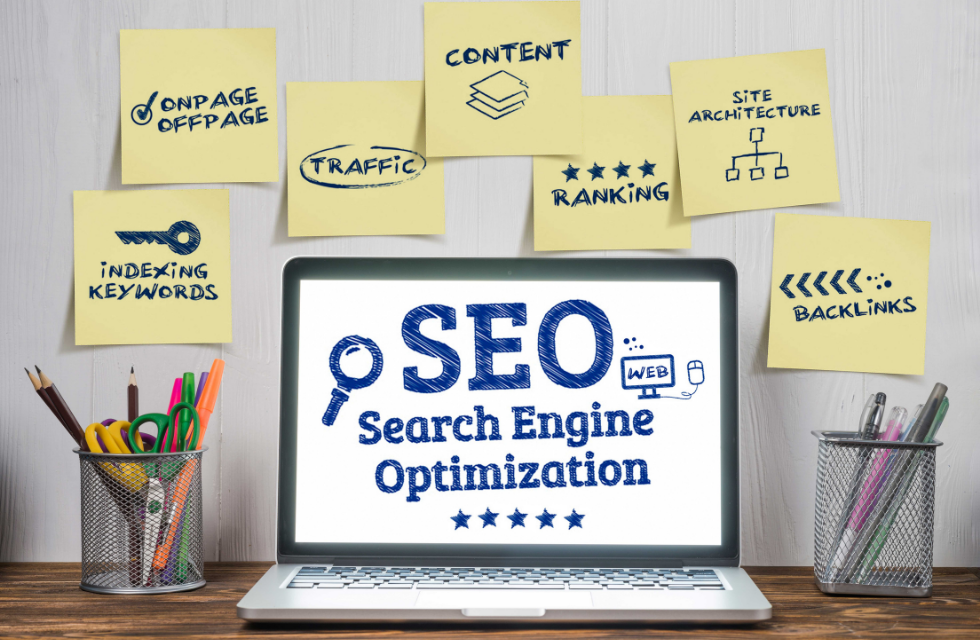
Search Engine Optimization (SEO) can feel overwhelming for small business owners, but it doesn’t have to be. This beginner’s guide breaks down the essentials into actionable steps that will help your business get found on Google.
What is SEO and Why Does It Matter?
SEO is the practice of optimizing your website to rank higher in search engine results pages (SERPs). When someone searches for “best bakery near me” or “affordable web designer,” you want your business to appear on page one. 75% of users never scroll past the first page—making SEO critical for visibility.
The Three Pillars of SEO
1. On-Page SEO This involves optimizing individual pages on your site:
- Keyword Research: Use free tools like Google Keyword Planner or Ubersuggest to find terms your customers search for. Focus on long-tail keywords (e.g., “vegan wedding cakes in Austin”) with lower competition.
- Title Tags & Meta Descriptions: Include your target keyword naturally. Keep titles under 60 characters and meta descriptions under 160 characters.
- Content Quality: Create comprehensive, helpful content that answers user questions. Aim for 1,000+ words for pillar pages.
- Internal Linking: Connect related pages on your site to help users and search engines navigate your content.
2. Off-Page SEO This builds your site’s authority through external signals:
- Backlinks: Earn links from reputable websites. Guest blogging, local directories, and creating shareable resources (infographics, studies) attract natural links.
- Google Business Profile: Claim and optimize your listing. Add photos, respond to reviews, and keep hours updated. This is crucial for local SEO.
- Social Signals: While not a direct ranking factor, social shares increase visibility and can lead to backlinks.
3. Technical SEO This ensures search engines can crawl and index your site:
- Site Speed: Use Google’s PageSpeed Insights to identify issues. Compress images and enable caching.
- Mobile-Friendliness: Google uses mobile-first indexing. Test your site with Google’s Mobile-Friendly Test.
- XML Sitemap: Submit a sitemap via Google Search Console to help Google discover your pages.
- Secure Site (HTTPS): An SSL certificate is a ranking signal and builds trust.
Local SEO for Small Businesses
If you serve a specific geographic area, local SEO is your secret weapon:
- Include your city/region in title tags and content
- Get listed in local directories (Yelp, Yellow Pages, industry-specific sites)
- Encourage customer reviews on Google and respond to all of them
- Use local schema markup to help search engines understand your location
Measuring Your SEO Success
Track these metrics monthly:
- Organic Traffic: Total visitors from search engines
- Keyword Rankings: Your position for target terms
- Click-Through Rate (CTR): Percentage of impressions that result in clicks
- Bounce Rate: Percentage of visitors who leave after viewing one page
- Conversions: Desired actions (calls, form submissions, purchases)
Getting Started: Your 30-Day SEO Action Plan
- Week 1: Set up Google Search Console and Analytics. Conduct keyword research.
- Week 2: Optimize your homepage and top 5 service/product pages.
- Week 3: Claim/optimize your Google Business Profile and local listings.
- Week 4: Start a blog with one SEO-optimized post targeting a long-tail keyword.
SEO is a marathon, not a sprint. Results typically appear within 3-6 months, but the compounding returns make it one of the best investments for small business growth.